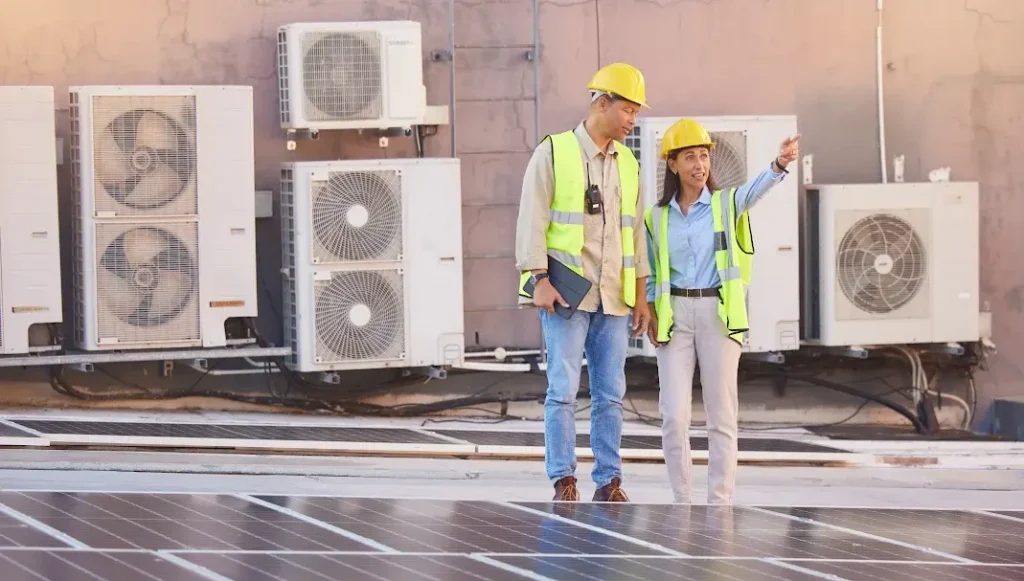
Uncomfortable office temperatures, whether freezing in winter or sweltering in summer, can reduce employee productivity. Installing a commercial HVAC system with professional air conditioning services and heating services is the solution for maintaining consistent comfort, improving indoor air quality, and supporting a productive workspace.
This beginner’s guide from Florida Mechanical A/C Services explains how commercial HVAC systems work, how they differ from residential systems, and the key maintenance practices to keep them running efficiently.
Understanding Commercial HVAC Systems
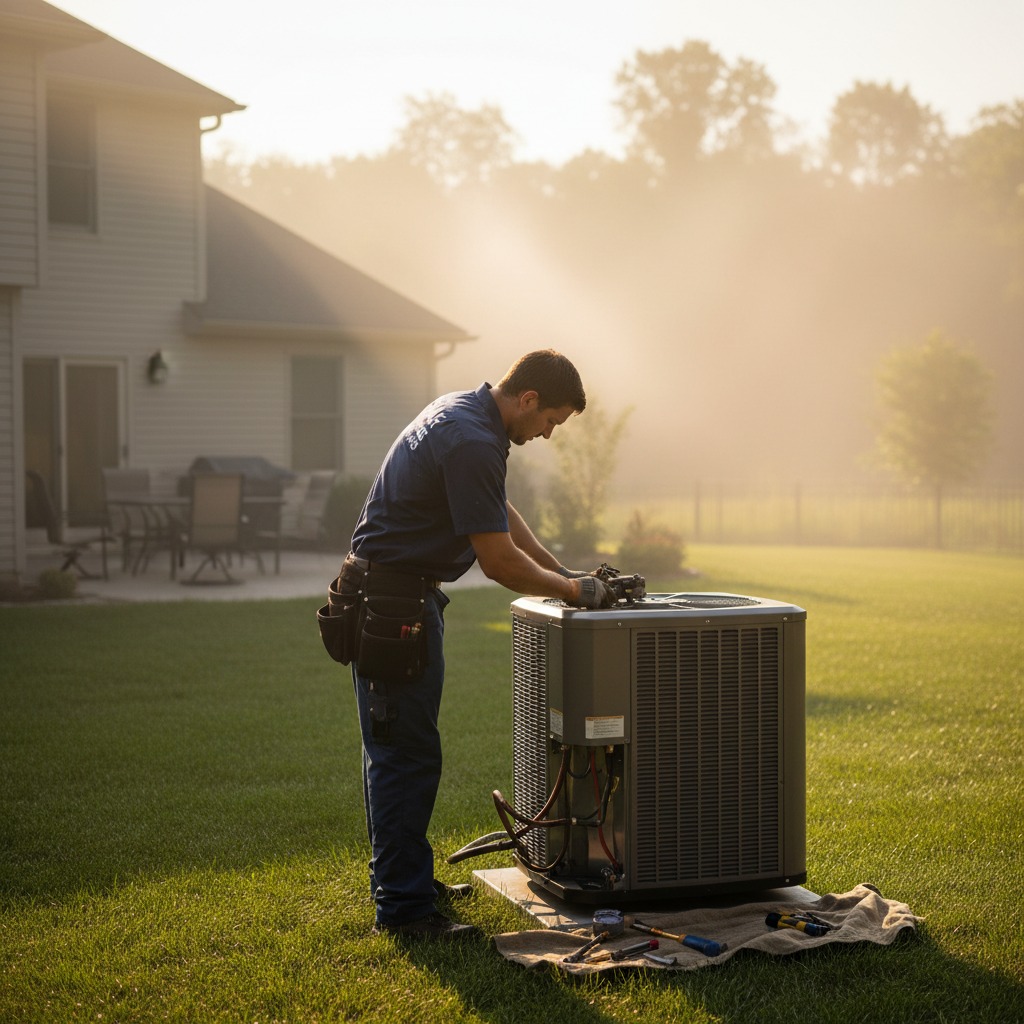
A commercial HVAC system provides heating, ventilation, and air conditioning for large office spaces, warehouses, schools, or retail buildings. Unlike residential HVAC units, commercial systems are much larger and are designed to manage airflow, temperature, and indoor air quality across multiple zones in a building.
An efficient system not only heats and cools indoor air but also maintains proper ventilation, reduces airborne pollutants, and ensures a healthy working environment.
How Does a Commercial HVAC System Work?
To function effectively, a commercial HVAC system relies on three main components:
- Warm or Cool Air
- Air Distribution System
- Control System
Let’s understand how the commercial HVAC system operates.
Warm or Cool Air
- Heating: Most commercial systems use burners, boilers, or heat pumps to warm indoor air. Professional heating services ensure that hot water or air circulates efficiently through ducts, radiators, or radiant systems to maintain comfortable temperatures.
- Cooling: Air conditioners remove heat from indoor spaces and release it outdoors, often using refrigerant-based systems for large-scale cooling.
Air Distribution System
Heating and cooling are distributed throughout a building via three primary methods:
Ductwork System | A network of ducts spreads air evenly across the building. |
Ductless System | Individual air handlers in each room eliminate the need for ducts. |
Radiant Systems | Heat or cool is delivered through floors, walls, or ceilings, providing uniform comfort. |
Control Panel
A commercial HVAC system is managed via a thermostat or Direct Digital Control (DDC) system, which regulates temperature, humidity, and airflow throughout the building. Advanced DDC systems can optimize energy efficiency and maintain comfort across multiple zones.
Commercial HVAC vs Residential HVAC
You might be wondering why there are separate HVAC systems for residential buildings and those for manufacturing facilities, as the working of both is the same.
Let’s dig into how they differ:
| Parameter | Residential HVAC System | Commercial HVAC System |
|---|---|---|
| Size | Smaller units for homes | Larger units with chillers, furnaces, and cooling towers |
| Location | Furnace in basement/attic, split system | Packaged units, often on rooftops |
| Ventilation | Easier to manage manually | Provides consistent ventilation throughout the building |
| Drainage | Simple system | Complex network of drains for condensate and water |
| Control | Standard thermostat | Advanced DDC or programmable systems |
Key takeaway: Commercial HVAC systems are larger, more complex, and designed to serve multiple zones efficiently, whereas residential units are simpler and built for single-family homes.
Maintenance of Commercial HVAC Systems
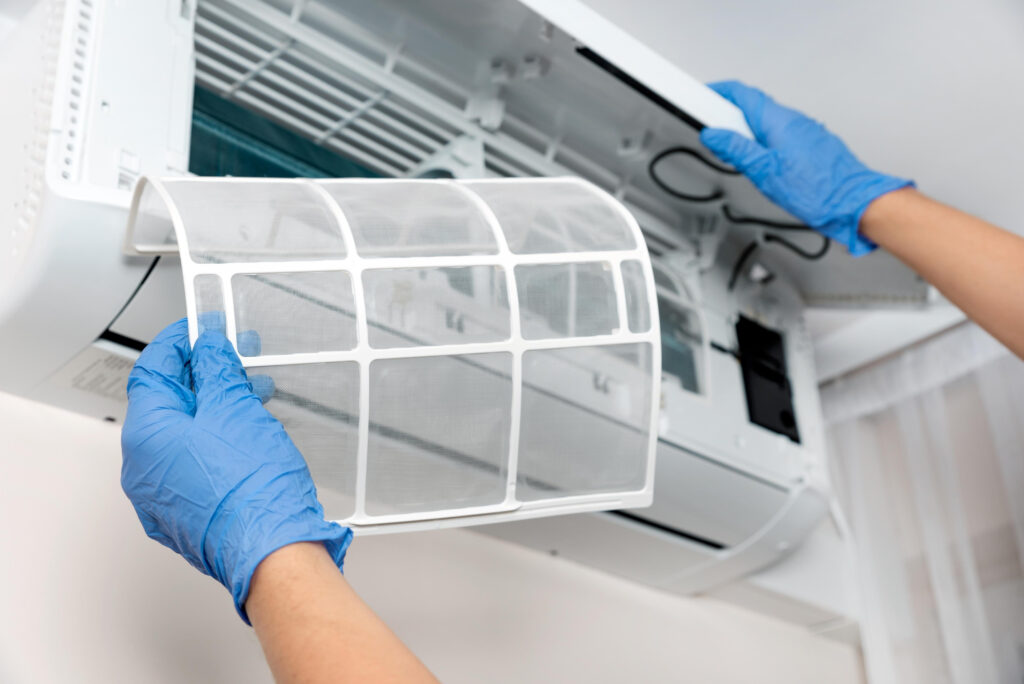
Regular maintenance is essential for energy efficiency, indoor air quality, and cost savings. Commercial HVAC systems require professional inspections to check:
- Air filters and ductwork
- Refrigerant levels
- Boiler or chiller operation
- Thermostat and DDC system function
- Drainage systems
Recommended schedule: Quarterly inspections are ideal to prevent unexpected breakdowns and maintain optimal performance.
Applications of Commercial HVAC Systems
Commercial HVAC systems are used in:
- Office buildings and corporate spaces
- Warehouses and industrial facilities
- Schools and universities
- Retail stores and restaurants
- Hospitals and healthcare facilities
- Data centers and server rooms
Benefits of Commercial HVAC Systems
- Efficient heating and cooling for large spaces
- Enhanced indoor air quality and ventilation
- Energy savings with modern DDC systems
- Customizable solutions for specific building types
- Long-term cost savings with proper maintenance
Conclusion
A commercial HVAC system is essential for maintaining comfort, efficiency, and indoor air quality in large buildings. Understanding how it works, how it differs from residential systems, and following a regular maintenance schedule ensures a healthy and productive environment for employees and visitors.
Investing in a reliable system with proper inspections is key to long-term performance, energy efficiency, and operational success.
FAQs
1. What makes a commercial HVAC system different from residential?
Commercial systems are larger, designed for multiple zones, and include complex components like chillers, packaged rooftop units, and advanced control systems.
2. What are the five popular types of commercial HVAC systems?
- Split systems
- Multiple split systems
- Variable Air Volume (VAV) systems
- Variable Refrigerant Flow (VRF) systems
- District control systems
3. How do I know if my HVAC system needs maintenance?
Watch for strange noises, foul odors, reduced airflow, declining indoor air quality, or higher energy bills.
4. Can HVAC systems improve indoor air quality?
Yes. Properly maintained systems filter out pollutants, allergens, and dust, keeping indoor air clean and healthy.
5. Where are commercial HVAC systems commonly used?
They are used in offices, schools, hospitals, retail stores, warehouses, restaurants, and data centers.