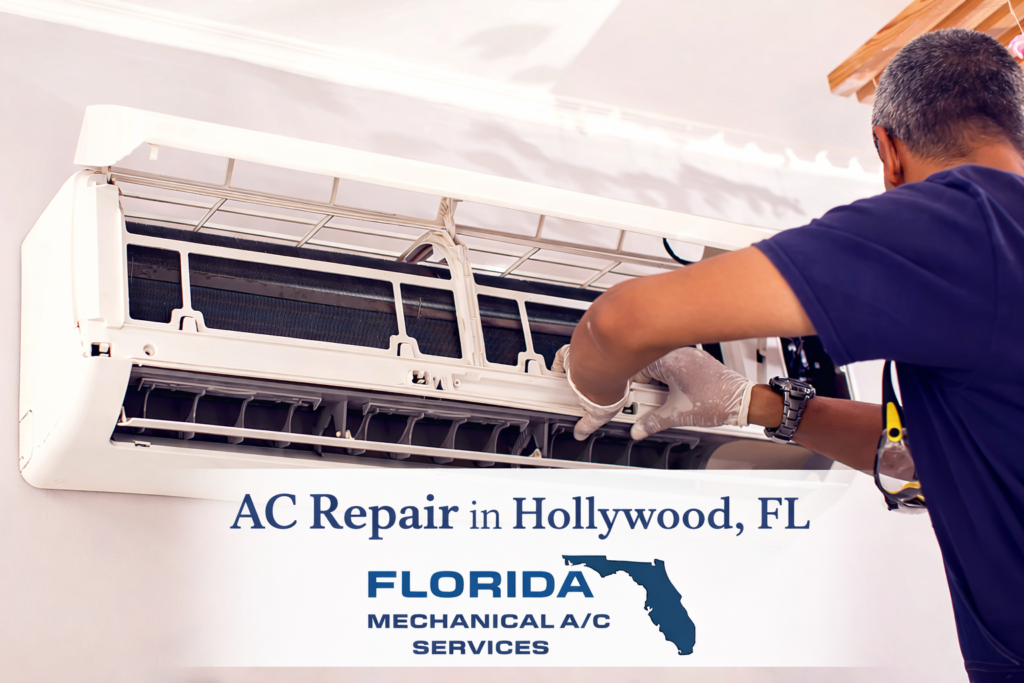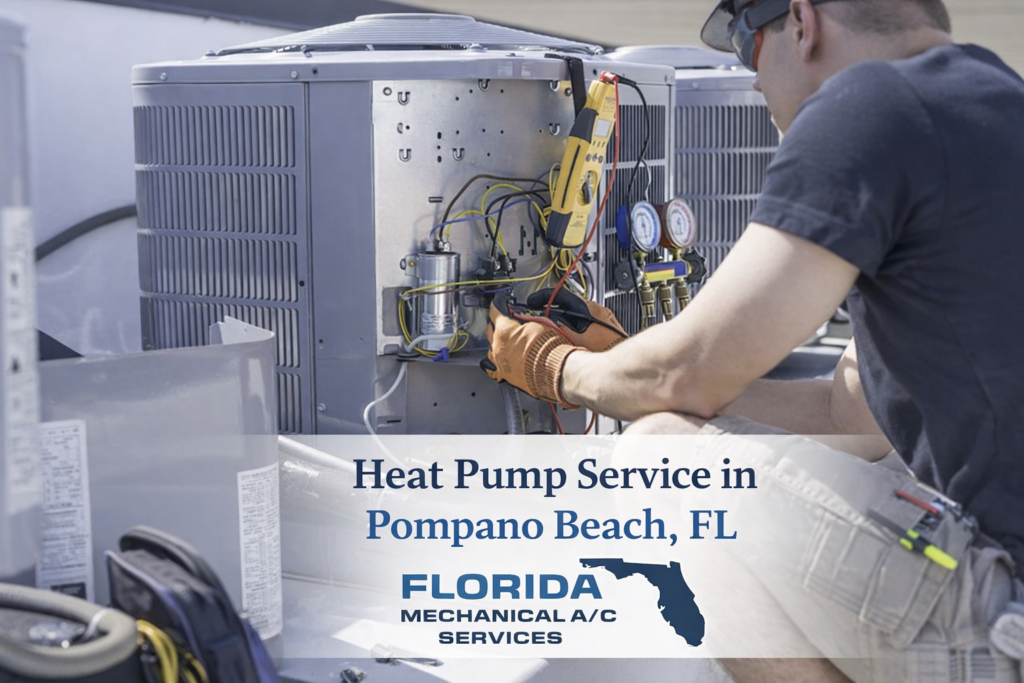
When your air conditioner suddenly stops working in the middle of a heatwave, panic can set in fast. That’s when Emergency AC Repair becomes more than just a service but a lifesaver. Knowing what steps to follow during an AC breakdown can help you stay safe, protect your system from further damage, and even save you money by avoiding unnecessary repairs.
This guide breaks down the key actions you should take so you can handle any AC emergency with confidence.
Why Quick Action Matters During an AC Emergency
Understanding emergency AC repair steps can be a game-changer in protecting your home and health during a malfunction.
- A faulty AC doesn’t just make your home uncomfortable; it can become a health hazard in extreme heat.
- The longer your system is off, the harder it becomes to maintain indoor air quality, humidity, and comfort.
- Quick action can prevent further damage and escalate the issue.
- Knowing emergency AC repair steps can help you act fast and protect your home’s environment.
- Acting promptly ensures a cooler, healthier, and more comfortable living space.
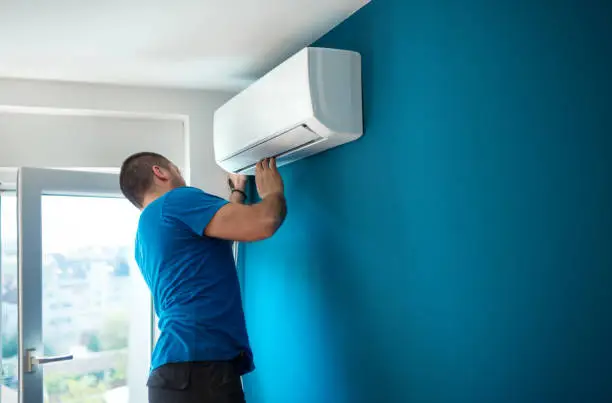
1. Turn Off the System to Prevent Further Damage
Taking immediate action by turning off your AC in Hollywood, FL can save you from more costly Emergency AC Repairs and extended discomfort.
- Always turn off your AC immediately when it malfunctions.
- Keeping it running in hopes it will fix itself can worsen the problem.
- Electrical glitches, frozen coils, or overheating motors can escalate with the unit still on.
- Turning off the system prevents further damage and stress to the components.
- Quick action allows the unit to cool down, avoiding bigger issues later.
2. Check the Thermostat Settings First
Before rushing into Emergency AC Repair, it’s worth checking your thermostat first. Here’s why:
- Ensure the thermostat is set to “cool” mode.
- Check that the batteries are still working.
- Verify the settings haven’t been accidentally adjusted.
- If the screen is blank or it’s not working, simply change the batteries or reset the unit.
- Often, these simple fixes can solve the issue quickly and at minimal cost.
3. Examine Your Air Filter and Replace if Needed
A clogged or dirty filter can wreak havoc on your AC system, causing poor cooling, air blockages, and even freezing up the unit, leading to potential Emergency AC Repairs. Here’s a quick DIY fix:
- Remove the filter and inspect it for dust, debris, or discoloration.
- If it’s dirty, replace it with a clean one.
- A simple filter change can restore your AC’s performance in minutes, saving you from immediate repair calls.
- This quick fix can often prevent a costly emergency AC repair and get your system back on track.
4. Inspect the Circuit Breaker for Tripped Switches
If your AC is making unusual noises, it might just be a minor electrical issue that could lead to Emergency AC Repair. Here’s what you can do:
- Check the breaker panel for any tripped switches.
- Turn the switch off and then back on.
- If the switch continues to trip, it signals a larger electrical problem.
- Constantly resetting the switch is not a solution, call in a professional for Emergency AC Repair.
- Electrical faults can be dangerous and lead to permanent damage if not addressed promptly.
5. Look for Visible Outdoor Unit Problems
Head outside and inspect your outdoor condenser for potential issues. Here’s what to look for:
- Obstructed air circulation due to shrubs or debris.
- Ice buildup on the cooling system.
- A refrigerant system that isn’t spinning properly.
- Unusual noises coming from the unit.
If you spot any of these problems, avoid attempting major DIY repairs. Removing debris or dealing with refrigerant, motors, or electrical components should be handled by certified professionals. This part of Emergency AC Repair is best left to the experts for safety and efficiency.
When to Call a Professional for Emergency AC Repair
When quick checks don’t fix the issue, or you notice signs like burning smells, loud grinding noises, refrigerant leaks, or constant breaker tripping, it’s time to call a professional for Emergency AC Repair. Here’s why:
- HVAC professionals have the right tools, protective equipment, and expertise to diagnose and fix the problem quickly.
- Delaying action can lead to higher repair costs or, in some cases, a full system replacement.
- Prompt professional intervention ensures your AC is up and running as soon as possible, preventing further damage.
How To Prevent Future AC Emergencies
Preventing AC emergencies starts with regular maintenance. Here’s how to keep your system in top shape:
- Schedule a yearly check-up to catch potential issues early.
- Clean the coils and replace filters to ensure optimal performance.
- Stay vigilant for early signs of malfunction to avoid bigger problems later.
- Regular maintenance reduces the likelihood of costly emergency repairs.
- Think of it as giving your AC a long, healthy life, keeping your home cool for years to come.
Conclusion
In conclusion, dealing with an emergency AC repair in residential units can be stressful, but with the right approach, it’s manageable. By following the steps outlined diagnosing the problem, turning off the system, checking the basics, and calling in a professional if needed you can minimize downtime and discomfort.
Always remember, routine maintenance can prevent many issues, so staying proactive with regular checkups will save you time and money in the long run. If the problem persists or seems beyond your skillset, don’t hesitate to reach out to a trusted HVAC professional for expert Emergency AC Repair assistance.
FAQs
1. What qualifies as an emergency AC issue?
Anything involving no cooling during extreme weather, burning smells, electrical issues, or sudden shutdowns can be considered an AC emergency.
2. Should I try to fix AC electrical issues myself?
Electrical problems should always be handled by trained technicians during Emergency AC Repair.
3. How fast can technicians respond to an emergency?
Most companies offer 24/7 services and can arrive within a few hours, depending on your location.
4. Why does my AC freeze up during hot weather?
Dirty filters, low refrigerant, or airflow restrictions can cause freezing and require professional diagnosis.
5. How can I reduce the chances of AC emergencies?
Routine maintenance, annual inspections, and quick response to early symptoms prevent most emergencies.