Heat pumps are efficient, reliable systems that provide both heating and cooling for homes and businesses. However, like any HVAC equipment, they can experience problems over time. Minor issues can often be resolved with simple troubleshooting, but knowing when to call a professional is crucial.
Homeowners who face recurring problems or complex repairs often rely on trusted experts like Florida Mechanical A/C Services to restore comfort and ensure long-lasting efficiency. This guide provides step-by-step heat pump repair tips, preventative maintenance strategies, and advice for recognizing urgent problems.
Understand How Your Heat Pump Works
Before attempting any repairs, it’s essential to understand how heat pumps operate. Unlike traditional heating systems, heat pumps transfer heat rather than generate it, making them highly energy-efficient. Common issues include electrical failures, thermostat malfunctions, and airflow limitations. Regular inspections help homeowners identify these problems early, preventing higher energy bills and costly damage.
1. Check the Thermostat Settings
Incorrect thermostat settings are a frequent reason for heat pump issues. Ensure your thermostat is set to the correct mode (heating or cooling) and temperature. Replace batteries if necessary and consider resetting the device if the system is unresponsive. This simple check often resolves problems that appear to be more serious system faults.
2. Inspect and Replace Air Filters
Dirty air filters restrict airflow, forcing the system to work harder and reducing efficiency. Check filters monthly and replace them when necessary. Clean filters improve indoor air quality, maintain comfort, and prevent wear on key components, avoiding more expensive repairs in the long run.
3. Clear Debris Around the Outdoor Unit
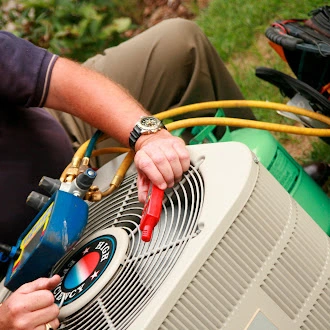
The outdoor unit must remain unobstructed to function properly. Leaves, dirt, and debris can block airflow, reducing heating or cooling performance. Maintain at least two feet of clearance around the unit and lightly clean the exterior. This simple step helps your heat pump run efficiently and prevents system shutdowns caused by blocked airflow.
4. Inspect Power Supply and Circuit Breakers
If your heat pump fails to start, check your home’s electrical panel for blown fuses or tripped breakers. Reset any tripped breakers and monitor the system. Frequent electrical issues may indicate underlying problems that require professional attention. Never attempt to handle electrical components without proper knowledge and safety precautions.
5. Listen for Unusual Noises
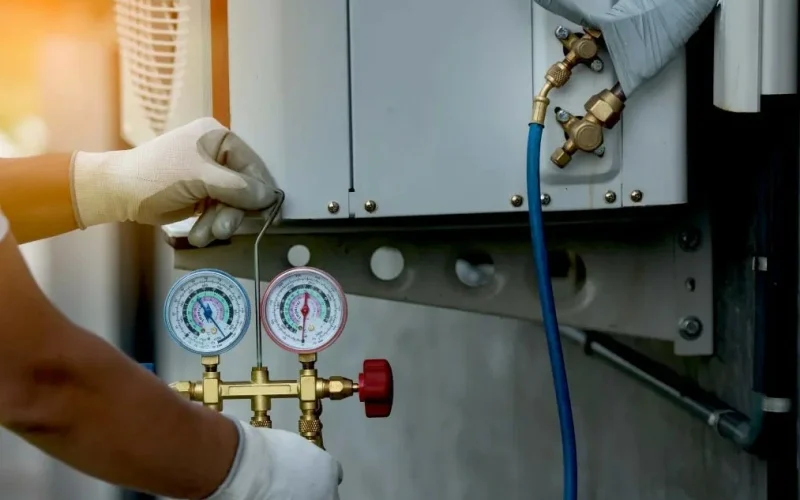
Strange sounds such as buzzing, rattling, or grinding may signal motor issues, loose components, or internal malfunctions. While minor screws may sometimes be tightened, internal parts should only be serviced by professionals. Ignoring unusual noises can lead to further damage and expensive repairs.
6. Clean and Lubricate Components
Regular cleaning and lubrication help prevent wear and maintain efficiency. Dust and dirt can accumulate on coils, fans, and moving parts, while lubrication reduces friction in motors and bearings. Keeping the system clean and well-lubricated improves performance and allows homeowners to spot small issues, like minor leaks or loose components, before they escalate.
7. Recognize When Replacement is Better
While repairs can extend a heat pump’s life, older systems with frequent breakdowns may be better replaced. Signs include rising repair costs, decreased efficiency, and recurring problems. A professional evaluation from a trusted provider of heating services can determine whether repair or replacement offers the best long-term value.
8. Know When to Call a Professional Immediately
Certain situations require urgent expert assistance, including:
- Burning electrical odors
- Complete system failure
- Loss of heating or cooling during extreme weather
Prompt professional intervention ensures safety, prevents further damage, and restores reliable service efficiently.
Final Thoughts
By understanding basic heat pump repair steps, homeowners can address minor issues and maintain system efficiency. Routine maintenance, from air filter replacement and thermostat checks to debris removal and lubrication, prevents costly breakdowns.
Florida Mechanical A/C Services offers trusted inspections, repairs, and emergency support to ensure your heat pump performs optimally year-round. Contact us today for professional maintenance, troubleshooting, or emergency repair services.
FAQs
- How often should a heat pump be maintained?
Heat pumps should be serviced at least once a year for optimal performance. - Can I fix my heat pump myself?
Minor repairs like air filter replacement or thermostat checks are safe, but complex internal repairs should be done by a professional. - Why is my heat pump running but not producing heat or cooling?
This could indicate thermostat issues, airflow restrictions, or refrigerant problems. - Are heat pump repairs expensive?
Early repairs are generally affordable, while delayed maintenance can lead to costly replacements. - When should my heat pump be replaced?
If it frequently malfunctions or is over 10–15 years old, replacement may be the most reliable and cost-effective option.