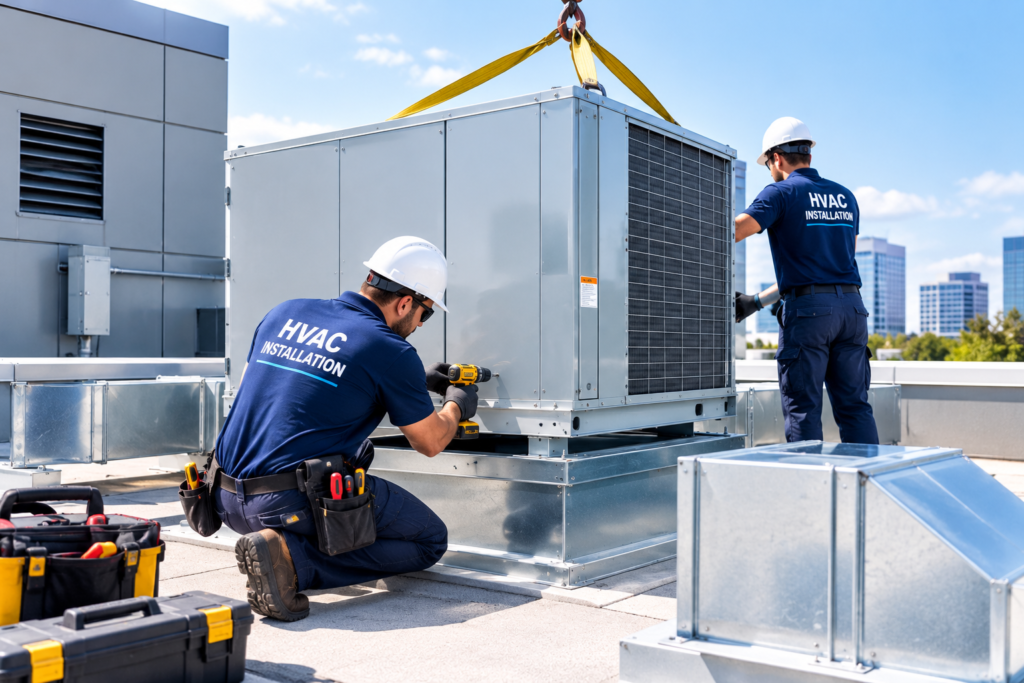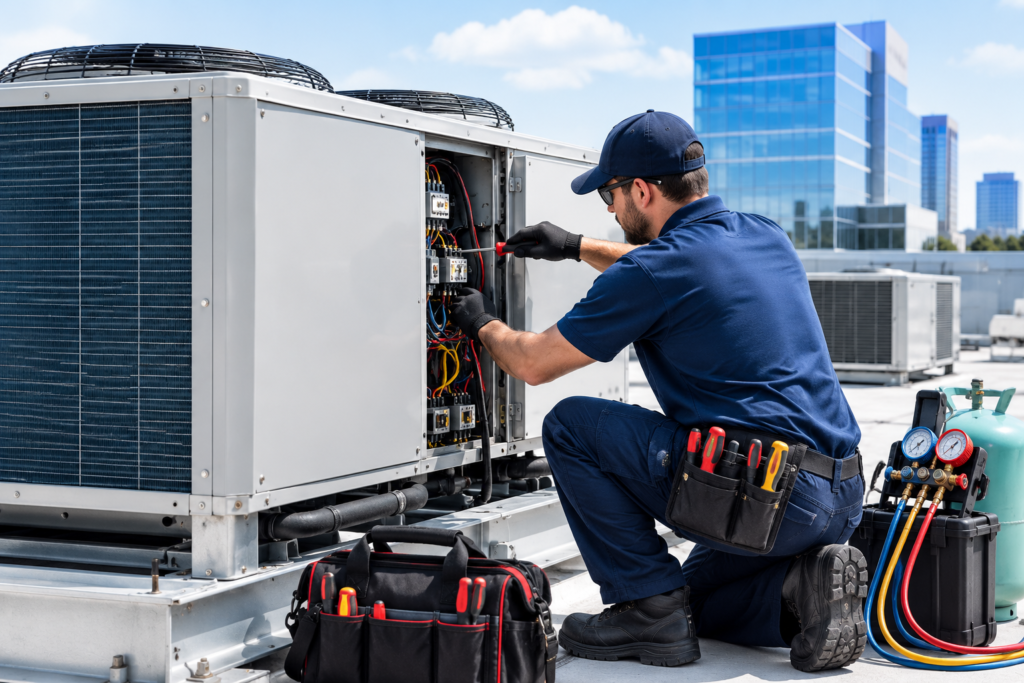
Size matters most when picking a new AC unit. Many people focus on the brand or the price tag. However, the cooling capacity must match the home’s square footage and insulation. A unit that is too big will turn off too fast, leaving the air damp.
A small unit will run forever and still leave the house hot. Getting a proper load calculation ensures a successful air conditioning installation in Coral Springs, FL, that lasts for years.
Proper Load Calculation
Contractors must measure the home before picking a unit. They look at windows, roof type, and ceiling height. This isn’t just about floor space.
A sunny room with big windows needs more cooling power than a shaded room. If the math is wrong, the machine will struggle every single day.
Ductwork Integrity
New machines cannot fix old, leaky pipes. If the silver tubes in the attic have holes, the cold air escapes. This wastes money and lets attic dust into the bedrooms.
Technicians should seal every joint during the process. This ensures the fresh air actually reaches the vents instead of cooling the squirrels in the attic.
Choosing the Right SEER Rating
SEER tells you how much juice the unit gulps. Higher numbers mean the bill stays low. In Florida, the sun is a beast.
Investing in a higher rating usually pays for itself in a few summers. It is a smart move for anyone planning an air conditioning installation in Coral Springs, FL, soon.
Thermostat Placement
Don’t put the brain of the system in a hot spot. If the thermostat sits right next to a sunny window, it thinks the whole house is boiling.
It will tell the AC to run constantly. Keeping it in a central, shaded hallway gives the most accurate reading for the entire home.
Indoor Air Quality Add-ons
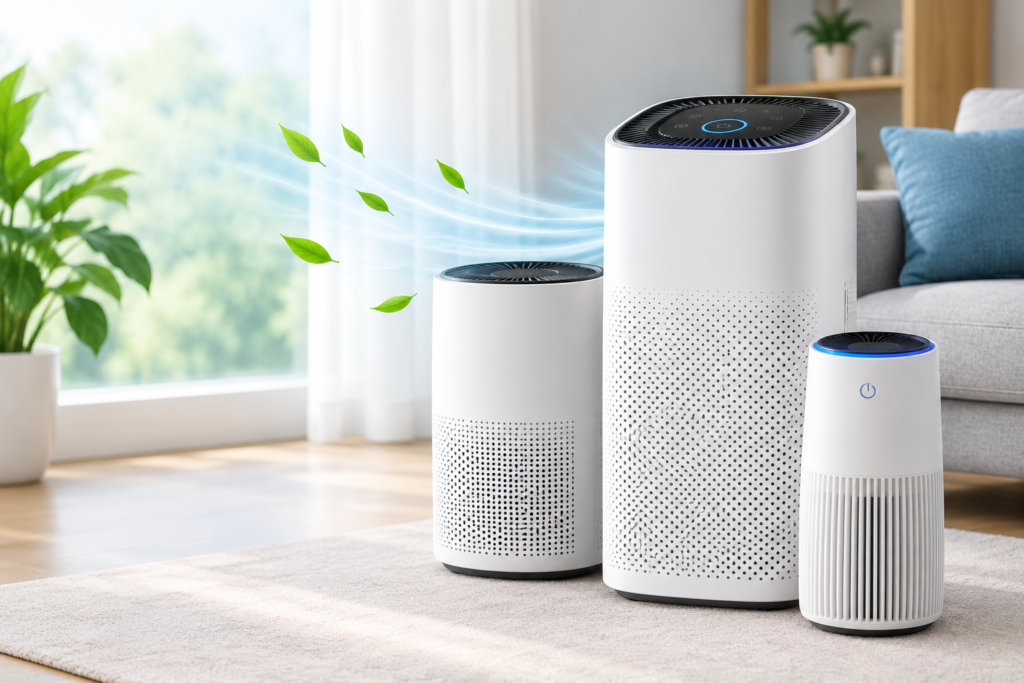
Standard filters only catch the big chunks of dust. Adding a UV light or a better filter system kills mold and germs.
Since Florida air is thick and wet, these extras keep the family from sneezing. It turns the home into a clean air bubble away from the pollen outside.
Correct Drainage Setup
AC units create a lot of water as they cool. This water must flow out of the house through a drain line. If the pitch is wrong, the water sits and grows slime.
A good setup includes a safety switch. This switch kills the power if the pipe clogs, preventing a flooded floor or ruined ceiling.
Noise Levels and Placement
Nobody wants a loud machine right outside their bedroom window. Modern units are quiet, but placement still matters.
Putting the outdoor part on a solid, level pad prevents vibration. It also keeps the motor from rattling against the house walls at night when everything else is quiet.
Future Maintenance Access
Technicians need room to work. If the unit is crammed into a tiny closet or hidden behind thick bushes, service becomes a nightmare.
Leaving a clear path around the equipment makes yearly checkups fast and easy. This simple step keeps the air conditioning installation in Coral Springs, FL, running smoothly for its whole lifespan.
Key Points
- A unit that is too large fails to remove humidity, making the air feel sticky.
- Sealing leaky ducts can save a homeowner up to 30 percent on monthly power bills.
- Standard AC units in Florida usually last about 10 to 12 years with good care.
- High SEER ratings act like high gas mileage for a car, saving cash every month.
- Safety float switches prevent expensive water damage by stopping the AC if the drains clog.
Frequently Asked Questions
Q.1) How long does it take to install a new AC?
Ans – Most teams finish the job in one day. It takes about four to eight hours to swap the old parts for new ones. If the home needs new ductwork or a new electrical panel, it might take a bit longer. A smooth setup depends on a clear work area.
Q.2) Does a bigger AC unit cool the house better?
Ans – Actually, no. A unit that is too big cools the air so fast that it shuts off before drying the air. This leaves the house feeling like a cold swamp. You want a unit that runs long enough to pull all the dampness out of the rooms.
Q.3) Why is my new AC making the house feel humid?
Ans – This usually means the fan is moving too fast or the unit is too big. If the air moves over the cold coils too quickly, the water doesn’t condense. A pro can adjust the fan speed to make sure the air stays crisp and dry.
Q.4) Is it worth replacing the heater at the same time?
Ans – In Florida, the “heater” is usually part of the AC system called a heat pump. It makes sense to replace both at once. Using an old indoor part with a new outdoor part makes the system work poorly and usually voids the warranty.
Smart Cooling for Sunny Days
A new cooling system is a big investment for any Florida home. Focusing on the right size and good ductwork ensures the house stays breezy. Avoid cheap shortcuts to keep the electric bill low and the air fresh.
If you need a reliable team, contact Florida Mechanical A/C Services. We provide expert air conditioning installation in Coral Springs, FL, to keep your family comfortable through the hottest summer months.