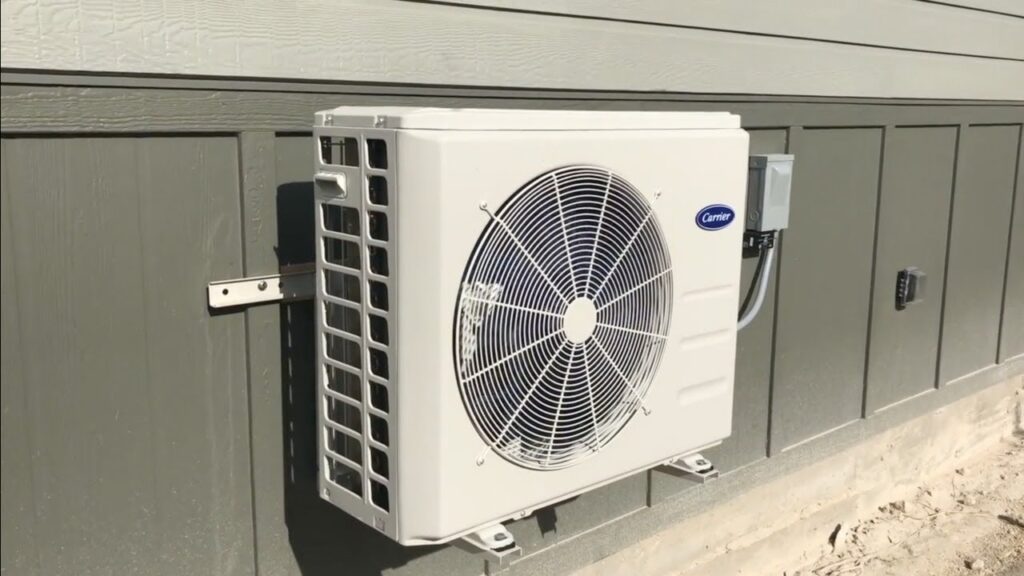
A ductless mini split can be an efficient way to heat and cool individual rooms without the need for traditional ductwork. These systems are especially useful for homes with additions, converted garages, older properties, or rooms that are difficult to keep comfortable with central HVAC. This is why many homeowners start researching the ductless mini split installation cost in 2026 when they want better temperature control, improved efficiency, or a more flexible cooling solution. At Florida Mechanical A/C Services, our goal is to help homeowners choose and install ductless systems that match their comfort needs, property layout, and budget. We provide professional HVAC solutions designed to deliver dependable performance and efficient year-round comfort.
In 2026, the cost of a ductless mini split installation can vary depending on the system size, number of indoor units, equipment efficiency, electrical requirements, and installation complexity. For many residential projects, homeowners may spend several thousand dollars for a complete installation, while larger multi-zone systems or installations requiring additional electrical work can cost significantly more. In 2026, a typical ductless mini split installation may cost around $2,000 to $5,000, with the average installation costing approximately $3,000, depending on system size, number of zones, equipment, and installation requirements.
Why Is There Such A Wide Price Range?
The final installation cost is not fixed because every ductless mini split project has different requirements. A single-zone system serving one bedroom will usually have a very different price from a multi-zone system designed to condition several rooms.
Important factors include:
- The number of indoor units required
- System capacity and BTU rating
- SEER2 and energy-efficiency ratings
- Indoor and outdoor unit placement
- Electrical upgrades or wiring requirements
- Refrigerant line length
- Wall penetration and mounting requirements
- Installation labor and project complexity
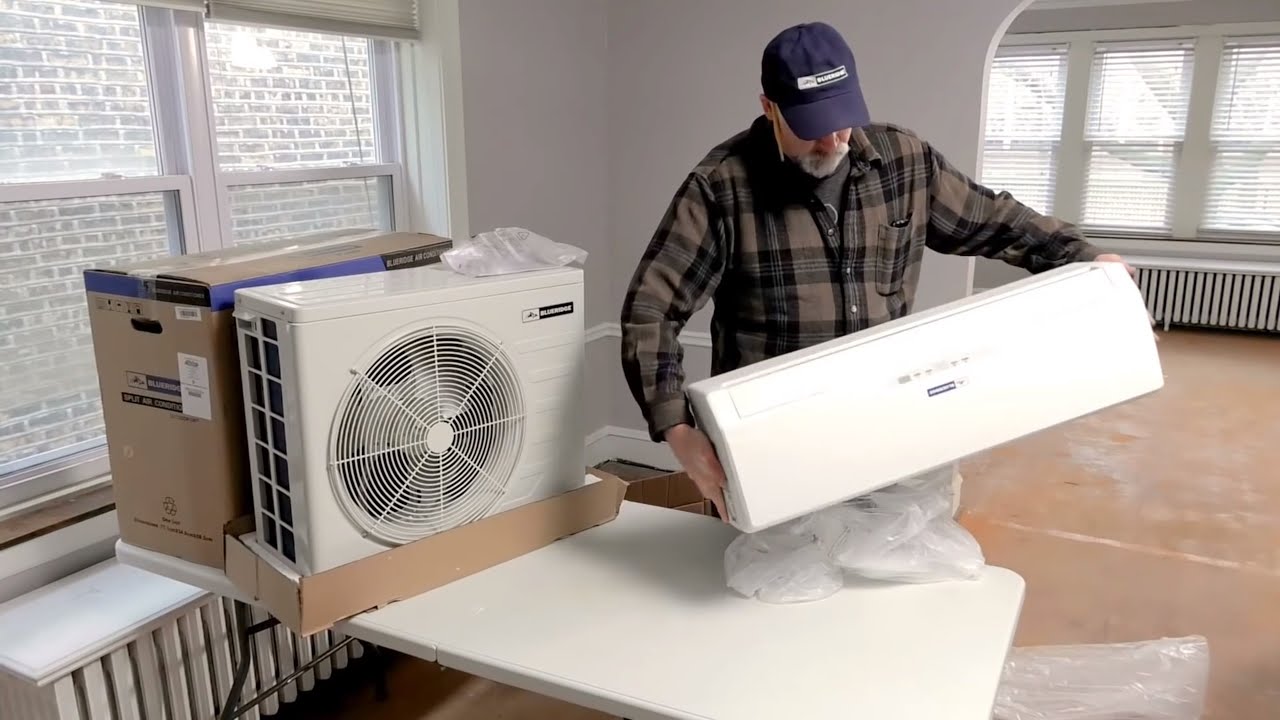
Unlike simply replacing a window air conditioner, installing a ductless system involves specialized equipment, refrigerant connections, electrical work, drainage, and precise system setup. Proper installation is important because incorrect sizing or installation can affect efficiency, comfort, and long-term system performance. Understanding the potential ductless mini split installation cost in 2026 can help homeowners plan their budgets and compare suitable options.
The 7 Key Factors That Decide Ductless Mini Split Installation Cost
The advertised price of a ductless system may appear straightforward, but the actual project investment depends on several factors. Every property has different cooling requirements, which means installation pricing can vary from one home to another.
Number Of Zones
The number of rooms or areas that need independent temperature control is one of the biggest factors affecting installation cost.
Single-Zone System: Approximately $500 – $5,000 installed
Dual-Zone System: Approximately $1,400 – $7,700 installed
Multi-Zone System: Approximately $1,400 – $12,000 installed
A single-zone system uses one indoor unit connected to one outdoor unit, while multi-zone systems can connect several indoor units to a single outdoor condenser. More indoor units generally mean additional equipment, refrigerant lines, installation time, and labor.
System Size And BTU Capacity
The size of the ductless mini split must match the space being conditioned. A system that is too small may struggle to maintain the desired temperature, while an oversized unit may cycle inefficiently.
12,000 BTU System: $700 – $3,200
18,000 BTU System: $1,000 – $4,200
24,000 BTU System: $1,100 – $5,200
36,000 BTU System: $1,800 – $6,000
The correct size depends on the room or property’s cooling requirements. Professional load calculations can help determine the appropriate capacity based on room size, insulation, windows, ceiling height, sunlight exposure, and other conditions.
Energy Efficiency Rating
Higher-efficiency ductless mini splits can have higher upfront equipment costs but may use less electricity during operation. Homeowners may compare SEER2 ratings, HSPF2 performance, and other efficiency specifications when selecting equipment.
Standard Efficiency: Lower initial equipment cost
Mid-Range Efficiency: Balance of price and operating performance
High Efficiency: Higher upfront investment with potential long-term energy savings
Choosing an efficient system can be particularly valuable when the unit will operate frequently throughout the year.
Indoor And Outdoor Unit Placement
Installation difficulty can also affect the total price. Indoor units need to be positioned where they can distribute conditioned air effectively, while the outdoor condenser requires a suitable location with adequate airflow and clearance.
Longer refrigerant lines, difficult wall access, elevated mounting locations, or complicated routing can increase labor requirements. A professional installer can evaluate the property and determine the most practical equipment placement.
Electrical Requirements
Ductless mini splits require appropriate electrical connections to operate safely and reliably. Some installations can use existing electrical capacity, while others may require a dedicated circuit, wiring changes, disconnect installation, or electrical panel upgrades.
Existing Suitable Circuit: Lower installation complexity
New Dedicated Circuit: Additional electrical labor and materials
Panel Upgrade Required: Higher project cost depending on electrical conditions
Electrical requirements should be evaluated before installation so unexpected work does not create delays or additional expenses.
Refrigerant Lines And Drainage
Each indoor unit must be properly connected to the outdoor condenser through refrigerant lines, communication wiring, and appropriate drainage. The distance between the indoor and outdoor units can influence installation time and material requirements.
Longer line sets, concealed routing, difficult wall penetrations, or special drainage requirements can increase the total installation cost. Proper connections are essential for reliable system operation and efficient performance.
Labor And Installation Complexity
Professional labor represents an important part of the total investment. Installation requirements vary depending on the number of zones, equipment location, electrical work, line routing, and property accessibility.
Standard Installation: Lower labor complexity
Multi-Zone Installation: More equipment and connection work
Complex Installation: Additional routing, electrical work, mounting, or structural considerations
Experienced ductless mini split contractors can help ensure the system is properly sized, installed, connected, and tested before it is placed into regular operation.
Average Ductless Mini Split Installation Cost By System Type
| System Type | Angi Cost Range | What’s Typically Included |
| Single-Zone Mini Split | $500 – $5,000 | One indoor unit, one outdoor unit, refrigerant lines, and basic installation |
| Multi-Zone Mini Split | $1,400 – $12,000 | Multiple indoor units, outdoor condenser, line sets, and installation |
| 12,000 BTU System | $700 – $3,200 | 12,000 BTU indoor and outdoor units, connections, and installation |
| 18,000 BTU System | $1,000 – $4,200 | 18,000 BTU equipment, refrigerant connections, and installation |
| Dual-Zone Mini Split | $1,400 – $7,700 | Two indoor units, one outdoor unit, refrigerant lines, and installation |
Note: Actual ductless mini split installation costs vary depending on system capacity, number of zones, equipment efficiency, labor rates, electrical requirements, installation difficulty, and property conditions. Multi-zone systems and complex installations can exceed these estimates.
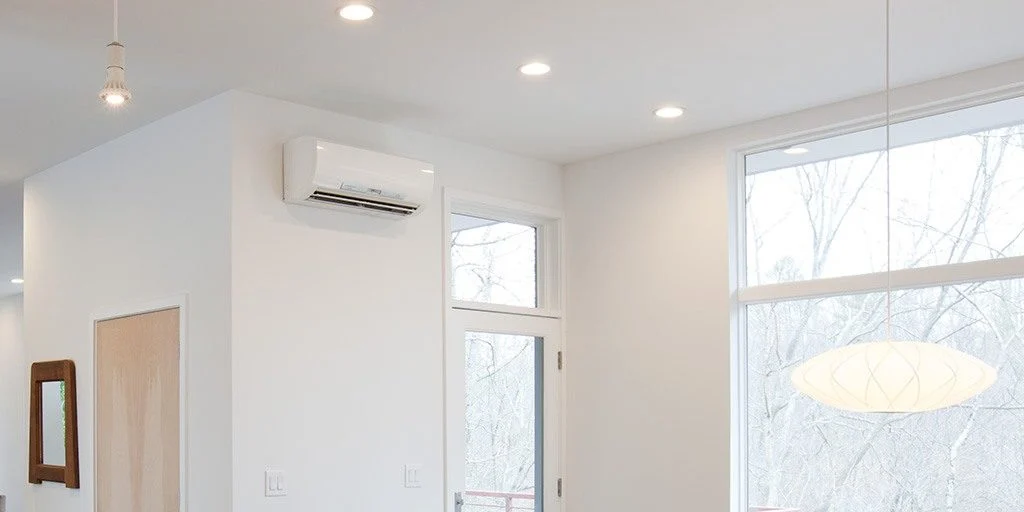
Key Signs You May Need A Ductless Mini Split
The need for a ductless system often becomes more noticeable when certain rooms consistently have comfort problems. A room that remains too hot or too cold despite the rest of the home being comfortable may benefit from an independent heating and cooling solution.
Home additions, converted garages, enclosed patios, workshops, and older rooms without existing ductwork are also common situations where ductless systems can provide flexible comfort. Homeowners may also consider a mini split when extending existing ductwork would be expensive or impractical.
Other signs include frequent temperature differences between rooms, limited space for duct installation, rising cooling costs, or the need for independent temperature control in specific areas. Evaluating these conditions can help determine whether a ductless system is appropriate for the property.
Ductless Mini Split Installation Decision Checklist
Still unsure whether a ductless system is right for your property? Consider the following questions:
- Does your home have rooms without existing ductwork?
- Do certain rooms remain uncomfortable throughout the year?
- Are you planning a home addition or room conversion?
- Do you want independent temperature control for different areas?
- Would extending existing ductwork be difficult or expensive?
- Are you looking for a more flexible HVAC solution?
If you answered “Yes” to several questions, a ductless mini split may be worth considering. A professional HVAC evaluation can determine whether the system is suitable for your space and what installation requirements may affect the overall cost.
Why Professional Ductless Mini Split Installation Matters
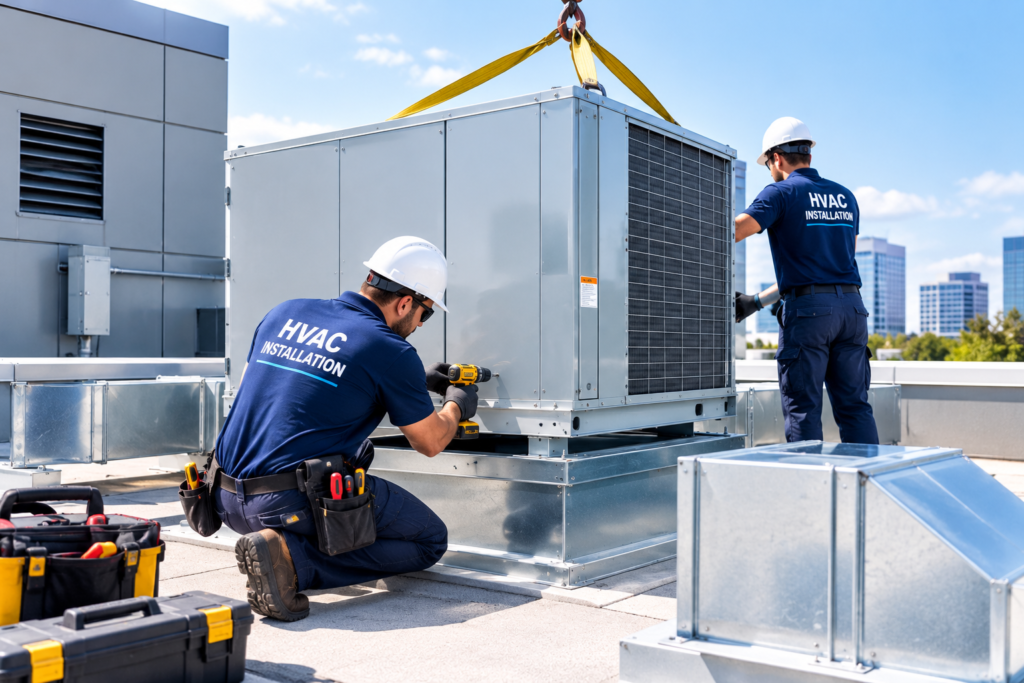
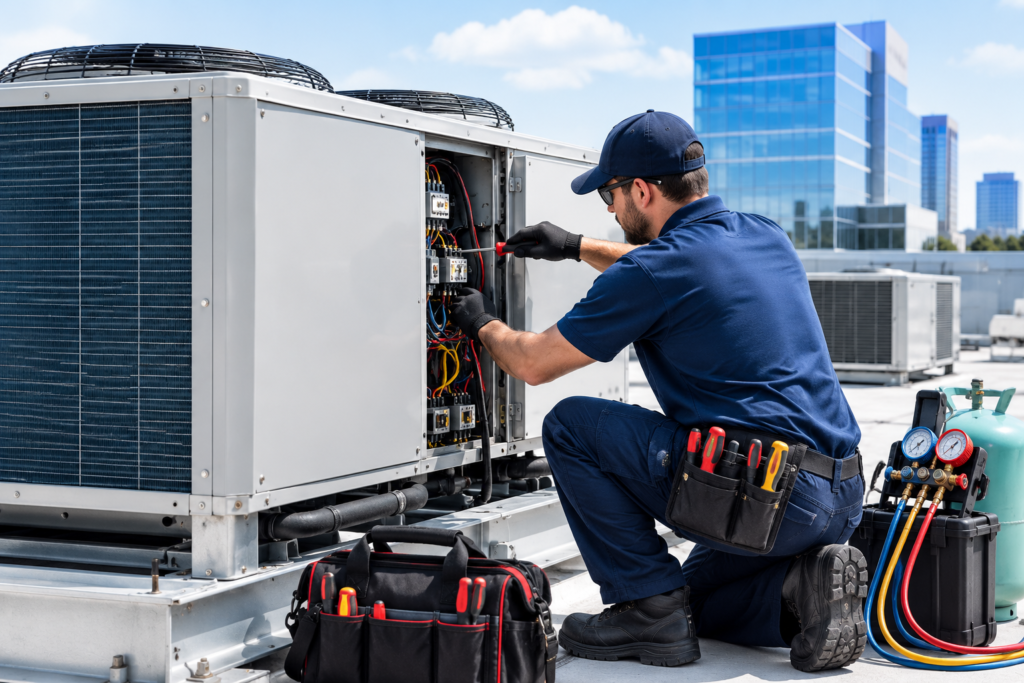
Ductless mini split installation requires proper equipment sizing, refrigerant-line installation, electrical connections, drainage setup, and system commissioning. Poor installation can reduce efficiency, create comfort problems, and potentially shorten equipment life. That is why choosing a professional ductless mini split installer in Hollywood, FL is important for achieving reliable and efficient performance.
At Florida Mechanical A/C Services, our team evaluates the property, installation requirements, and comfort goals before recommending a suitable system. Professional installation helps ensure that indoor and outdoor units are positioned correctly, connections are secure, airflow is appropriate, and the system operates as intended.
A properly installed ductless mini split can provide targeted comfort while avoiding the need for extensive ductwork. Professional workmanship also helps homeowners understand system operation, maintenance requirements, and the factors that can influence long-term performance.
Conclusion
The cost of ductless mini split installation in 2026 depends on several factors, including the number of zones, system capacity, equipment efficiency, electrical requirements, installation location, and labor complexity. While costs can vary considerably, choosing the right system and having it professionally installed can provide dependable comfort and efficient temperature control.
At Florida Mechanical A/C Services, we help homeowners evaluate their ductless HVAC options and select solutions suited to their property’s needs. From system selection and installation to professional setup, our goal is to provide reliable comfort and long-term HVAC performance.
FAQs
How Much Does Ductless Mini Split Installation Cost?
Professional installation typically costs $2,000–5,000, with an average around $3,000.
How Many Rooms Can A Ductless Mini Split Cool?
A multi-zone system can connect multiple indoor units to one outdoor unit for different rooms.
What Affects Ductless Mini Split Installation Cost?
System size, number of zones, placement, brand, and electrical requirements can affect the final cost.
Do Ductless Mini Splits Need Professional Installation?
Yes. Professional installation is recommended because the system involves electrical connections and refrigerant handling.
Are Ductless Mini Splits Energy Efficient?
Yes. Ductless systems can provide efficient heating and cooling while allowing room-by-room temperature control.